
Who Are You Without the Big House?

We take pride in our homes. They hold our memories, our milestones, and the story of a life well lived. But at some point, many people begin to notice something quietly shifting.

The home that once felt exciting and full of purpose can start to feel emotionally heavy.

After years of helping people through the rightsizing process, I’ve learned something important: when people say they’re worried about the market, interest rates, or where the furniture will go, that’s rarely the real concern.

The deeper question is often this:

Who am I without the big house?

For many of us, home becomes tied to identity. It’s where holidays happened, children were raised, traditions were created, and life unfolded. Letting go of that space can feel like letting go of a role you’ve carried for years.

But here’s what I gently remind my clients:

The meaning was never in the house itself.

It was always in you.

Your relationships, warmth, traditions, and presence are what made that house feel like home — not the square footage.

At some point, many homeowners also begin to notice that the house is asking more from them than it’s giving back. Unused rooms still need cleaning. Repairs never seem to end. Weekends become filled with maintenance instead of enjoyment.

That’s when an important question begins to emerge:

Is this home still supporting the life you want to live now?

Rightsizing isn’t about shrinking your life. It’s about creating space for the life you want next — more freedom, more ease, and less overwhelm.

And interestingly, what most people expect to feel is loss.

What they often feel instead is relief.

A lighter home.

A lighter schedule.

A lighter mind.

If this idea has been quietly sitting in your heart, start small. Pay attention to the spaces in your home you no longer use. Notice how much time, money, and energy they require.

Sometimes clarity begins with simple observation.

And sometimes, the next chapter begins by realizing you no longer need to carry the weight of the last one.

At Get Rightsized, I guide people through every step of this transition — from finding the right next home to creating a thoughtful plan that feels aligned with the life they truly want moving forward.

Because rightsizing isn’t about giving something up.

It’s about making room for what matters most.

At Get Rightsized, we help you create space for your next chapter.

Small Decluttering Habits That Make a Big Difference

When people think about decluttering, they often imagine an exhausting, all-or-nothing process — entire weekends spent sorting boxes, making endless decisions, and feeling emotionally drained by the end of it. But in reality, the most successful rightsizing journeys rarely happen that way.

The biggest transformations usually come from small, intentional habits repeated consistently over time.

One of the reasons decluttering feels overwhelming is because our belongings are rarely just “stuff.” They represent seasons of life, memories, accomplishments, family history, and sometimes even unresolved emotions. That’s why approaching the process gently — rather than aggressively — often creates far more progress.

I always encourage clients to begin small. Not with the basement or garage, but with a single visible surface. A kitchen island, bathroom vanity, or dining room table may seem insignificant, but clearing these areas immediately changes how a home feels. Visual clutter quietly creates mental clutter. When surfaces are crowded, the home can begin to feel heavy and overstimulating, even if we don’t consciously realize it.

The opposite is also true.

When sightlines open up and space becomes visible again, the entire home begins to feel calmer, lighter, and more spacious. People often tell me they suddenly feel able to breathe again.

Another important shift happens when people stop asking, “Could I use this someday?” and start asking, “Does this support the life I’m living now?” That one question changes everything.

Many of us are storing items for versions of ourselves that no longer exist — hobbies we no longer pursue, entertaining spaces we rarely use, clothing for lifestyles that have changed, or boxes kept out of guilt rather than purpose. Rightsizing is not about erasing your past. It’s about making room for your present and future.

Storage areas are another place where small changes create a surprisingly large emotional impact. Closets, drawers, and cabinets filled beyond capacity often create a subtle feeling of stress because the home no longer feels easy to manage. Even clearing 20% of a closet can make a space feel more functional, peaceful, and intentional.

I often suggest creating a few simple habits to keep momentum going:

  • Keep a donation box somewhere accessible so decluttering becomes ongoing rather than overwhelming
  • Create a “maybe box” for emotionally difficult decisions and revisit it later with fresh perspective
  • Focus first on high-visibility areas that create immediate emotional wins
  • Set small goals instead of marathon decluttering sessions

Most importantly, give yourself permission to move through the process thoughtfully. Decluttering is not simply a physical task — it’s an emotional transition. It’s about recognizing that the life ahead of you may require something different than the life behind you.

And interestingly, what most people feel after simplifying is not loss.

It’s relief.

Less to manage.
Less visual noise.
Less pressure.

More space for peace, connection, freedom, and possibility.

At Get Rightsized, we help you create space for your next chapter.
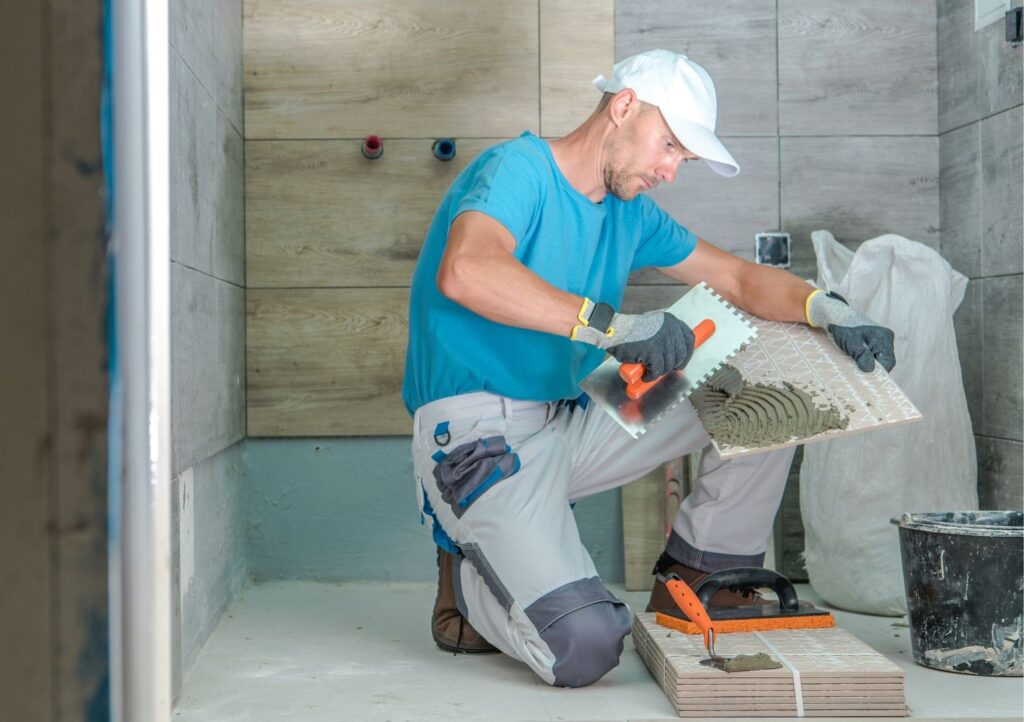
Renovate to Stay or Move On? The Rightsizing Question So Many Homeowners 55+ Are Asking

If you’ve lived in your family home for decades, there’s a good chance you’ve started asking yourself an important question:

Should I renovate this home to work for the future… or is it time to move into something that already fits the life I want now?

I hear this question all the time through Get Rightsized.

And the truth is, this decision is about much more than real estate. It’s about lifestyle, energy, freedom, and how you want to live in the years ahead.

Many homeowners assume staying put is the easier or less expensive option. But true “aging-in-place” renovations can quickly become significant investments. Main floor laundry, accessible bathrooms, wider doorways, stair lifts, and eliminating everyday obstacles often cost far more than people initially expect.

And sometimes, after all the renovations are done, the home still doesn’t truly fit.

That’s why more people are beginning to explore rightsizing instead.

Rightsizing isn’t about giving something up. It’s about choosing a home that better supports your current lifestyle — with less maintenance, fewer unused rooms, and more freedom to enjoy life.

What surprises many of my clients is how relieved they feel once they make the move. Less upkeep. Less stress. More time for travel, family, hobbies, wellness, and simply enjoying life.

If you’re unsure which direction is right for you, start with these questions:

  • Does this home still support the way I want to live?
  • Am I maintaining space I no longer use?
  • Would simplifying create more freedom emotionally, financially, and physically?

The most successful transitions happen proactively — not during a crisis or after a health event forces quick decisions.

At Get Rightsized, I help people thoughtfully explore their options, create a personalized plan, and find the right next home for the chapter ahead.

Because rightsizing isn’t about leaving life behind.

It’s about creating space for what comes next.

At Get Rightsized, we help you create space for your next chapter.